
Stop Brain Drain: 5 Room Focus Hacks That Save Focus
Have you ever sat down at your desk, fully intending to crush your to-do list, only to find yourself scrolling on your phone ten minutes later? You blame your lack of discipline, your phone, or your short attention span.
The real culprit might be staring you right in the face: your room design. Most people decorate their spaces for aesthetics or comfort alone.
Environmental psychology shows that your physical surroundings dictate your cognitive performance. If your room is set up incorrectly, it creates visual friction, constantly draining your brain’s secret weapon—dopamine.
When your brain lacks targeted focus, it searches for cheap dopamine hits like social media. By utilizing strategic room focus hacks, you can design an environment that fixes brain drain and naturally forces your mind into a high-productivity flow state.
Here is exactly how to optimize your room to boost focus, stop procrastination, and save your mental energy.
Discover how environmental psychology extends to your meals with these creative [dining room color ideas that change food flavor].
1. Eliminate Visual Noise to Stop Cognitive Overload
Every single item in your direct line of sight demands subconscious processing power from your brain. This is known as visual noise.
When your desk faces a cluttered bookshelf, a pile of laundry, or an unorganized shelf, your brain works overtime just to ignore those distractions. To implement effective workspace focus hacks, you must establish a zero-friction visual zone.
The 180-Degree Focus Rule
Sit at your desk and look straight ahead. Anything within your 180-degree field of vision must be entirely clean and minimalist to protect your energy.
Move open storage shelves behind your seating position. If you must have shelves in front of you, use solid-colored, matted organizing boxes to hide messy cords, papers, and trinkets.
Leave at least 40% of the wall directly in front of your desk completely blank. This acts as a visual palette cleanser, allowing your eyes to rest when you take screen breaks.
By choosing a minimalist room layout for your immediate view, you stop cognitive overload before it even starts.
Reducing Digital Friction
Visual noise isn’t just physical; it can be digital too. Keep your physical desktop clear, and make sure your computer screen matches that exact level of cleanliness.
Hide unnecessary desktop icons and close background browser tabs. Matching your physical space with your digital space doubles your capacity for deep work.
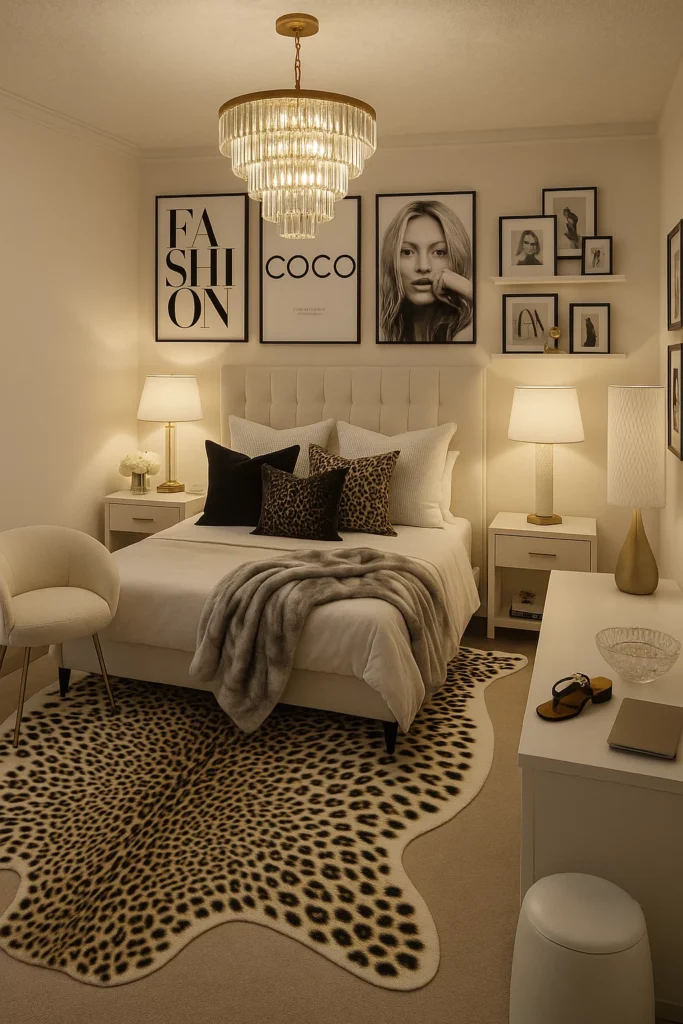
2. Implement These Room Focus Hacks for Instant Productivity
Your brain relies heavily on environmental cues to understand what it should be doing at any given moment. If you use the exact same bright overhead lighting for working, relaxing, and sleeping, your brain gets deeply confused.
This confusion results in that frustrating midday brain fog. To fix this, you need a smart dual-lighting setup that uses light temperature as a physical switch for your focus levels.
[ Daytime Focus Mode ] [ Evening Recovery Mode ]
—————————– —————————–
– Cool Blue/White Light (4000K) – Warm Amber Light (2700K)
– Overhead & Direct Task Lamps – Low-Set Lamps & Under-Glow
– Mimics High-Noon Alertness – Signals Melatonin Production
The Lighting Shift Trick
When it is time to work, use crisp, cool white light around $4000\text{K}$. Position a dedicated task lamp directly over your workspace to illuminate your primary tasks.
This brightness mimics high-noon sunlight, suppressing melatonin production and signaling your brain to stay alert. It is one of the easiest room focus hacks to deploy instantly.
The moment your work session ends, switch off the overhead lights completely. Turn on low-set lamps with warm amber bulbs ($2700\text{K}$) or hidden LED warm strips under your furniture.
This dramatic shift tells your brain that the work window is closed, preventing evening burnout.
Harnessing Natural Daylight
Whenever possible, position your desk perpendicular to a window. This allows you to harvest natural daylight without experiencing direct, blinding glare on your laptop screen.
Natural light exposure during the morning hours stabilizes your circadian rhythm. A stable rhythm means higher energy levels when you actually need to sit down and focus.
3. The “Green Reset” Plant Placement
Biophilic design—the practice of connecting human spaces to nature—is a proven method for brain optimization decor. Multiple psychological studies show that staring at natural elements can lower cortisol stress hormones and improve attention span.
However, tossing random plants around your room won’t fix your concentration. You need strategic, intentional placement to get the real cognitive benefits.
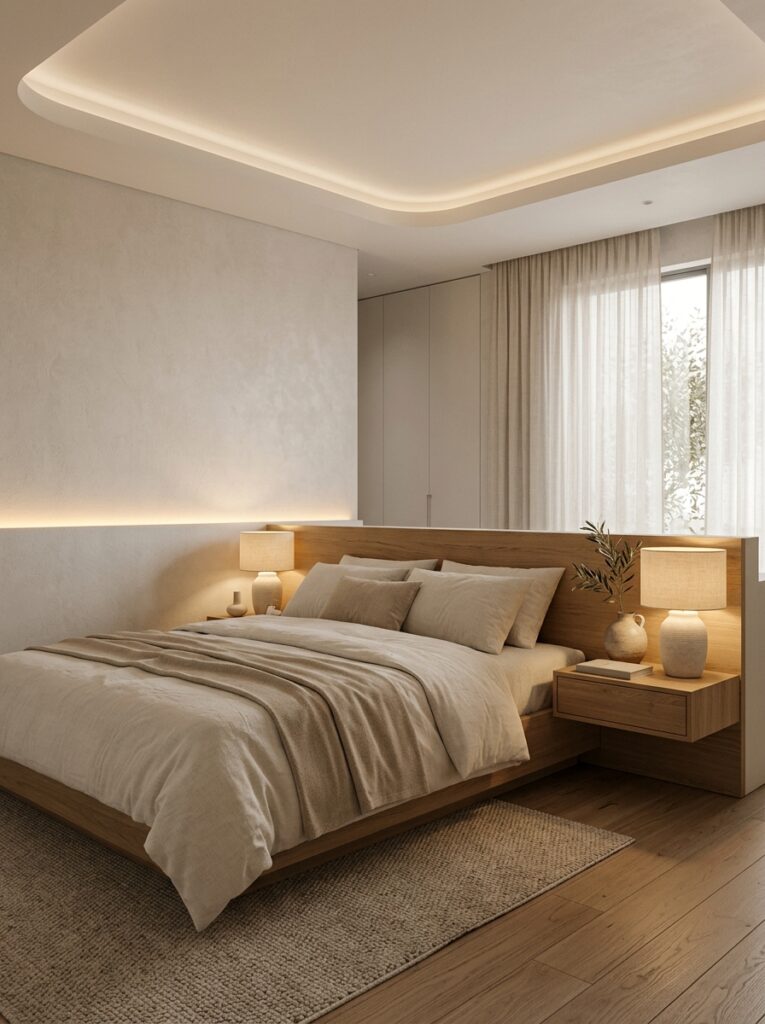
The Micro-Break Anchor
Place exactly one vibrant, structural plant like a small Monstera, Olive Tree, or Snake Plant directly next to your workspace. Keep it in a matte plaster pot to maintain a clean look.
When you feel your focus breaking during a difficult task, look at the plant for 20 seconds. This micro-break gives your prefrontal cortex a momentary rest. This is the one of the best room focus hacks.
This simple reset allows you to return to your work with refreshed mental energy. Keep the setup clean, because too many plants create visual clutter, defeating the purpose of the hack.
Selecting Low-Maintenance Biophilia
If you worry about keeping plants alive, choose low-maintenance varieties that thrive indoors. Snake plants and pothos varieties require minimal watering and tolerate lower light levels.
The goal is to add life to your room without adding another stressful chore to your daily routine. Clean, thriving greenery brings a sense of calm that helps quiet a racing mind.
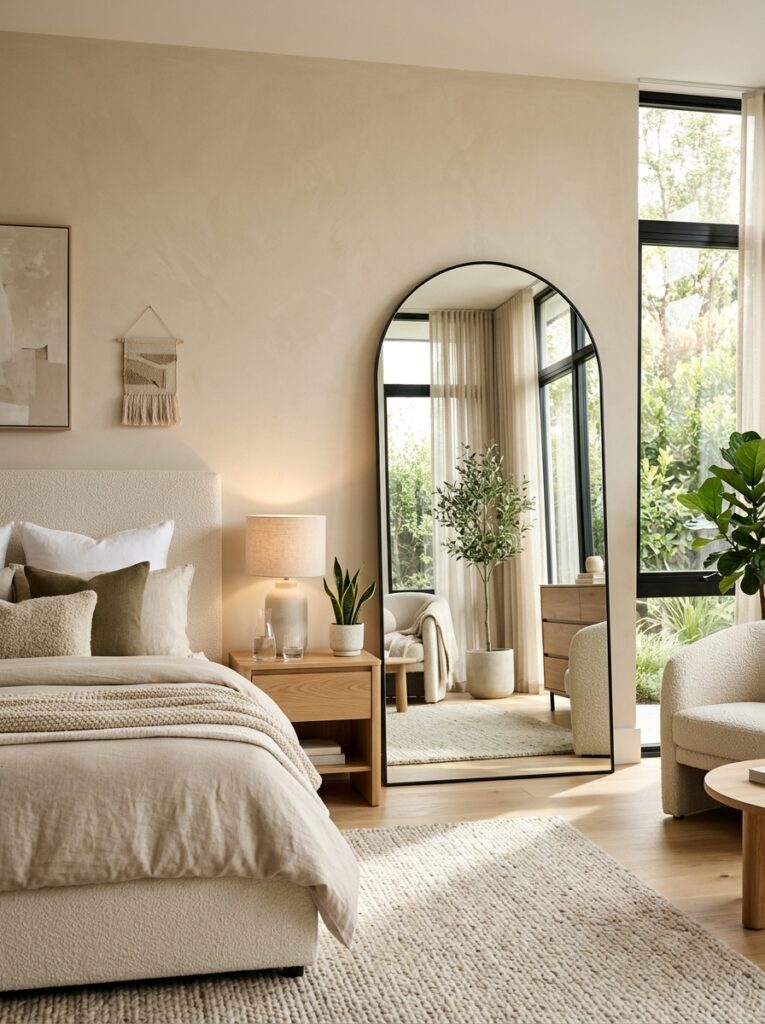
4. Ground Your Space with Monolithic Decor
When a room is filled with dozens of tiny decorative items, souvenir trinkets, and small frames, it creates micro-distractions. Your eyes constantly jump from one object to another without you realizing it.
High-end designers avoid this by using a technique called monolithic placement. Instead of buying ten small decor pieces, select one single, heavy, anchoring object for your room.
Designing with Visual Weight
Choose a singular, large, unpolished travertine block, a solid concrete bowl, or a massive abstract canvas. Place it in a prominent position where it can command the room.
An object with heavy visual weight brings a sense of stability and architecture to the room. It anchors the space, making the environment feel grounded and premium.
When your environment feels stable and quiet, your internal mental state naturally mirrors that calm. This structural stability allows for deep, uninterrupted thought.
The Clean Surface Philosophy
Keep your secondary surfaces like chest of drawers, windowsills, and side tables completely clear of random objects. Every empty surface reduces the mental background noise in your head.
Think of your room as a premium museum gallery rather than a storage unit. Curation over collection is the ultimate secret to building a high-focus environment.
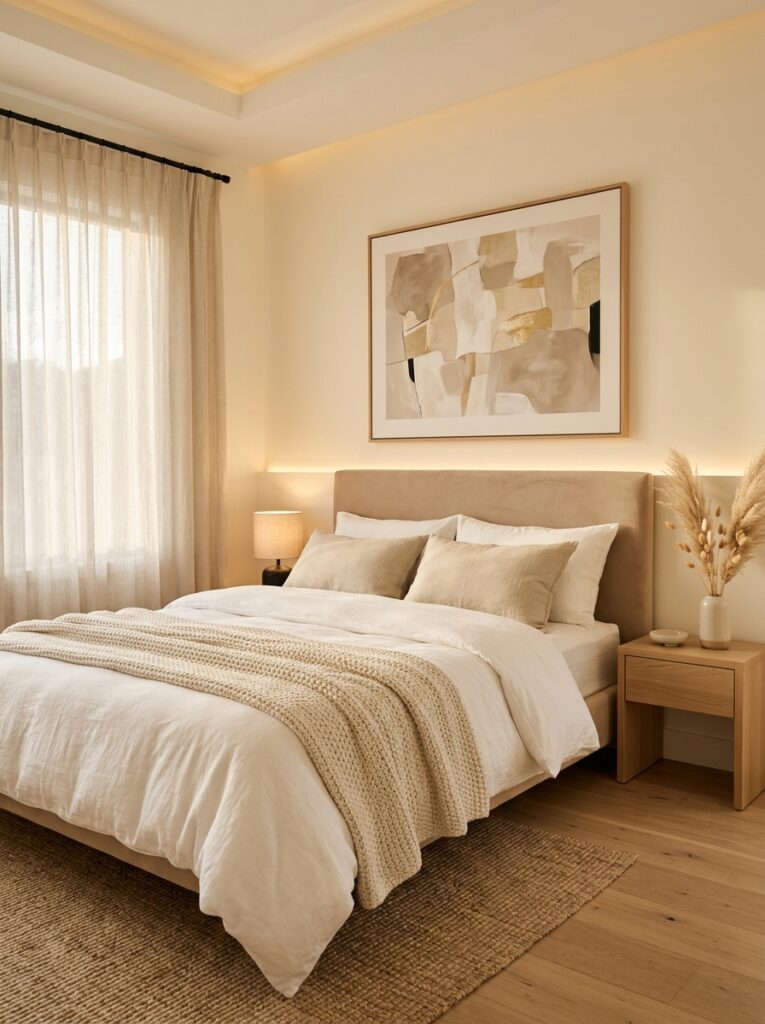
5. Use Ghost Furniture to Trick a Small Room
If you are working or studying in a small bedroom or apartment, physical confinement can quickly lead to psychological confinement. Cramming bulky, dark wood furniture into a tight space blocks natural light.
This setup makes the room feel chaotic, which triggers subtle anxiety and kills focus. To fix this without replacing all your furniture, introduce ghost elements to maximize your floor plan.
+————————————————————-+
| VISUAL WEIGHT COMPARISON |
+————————————————————-+
| [ Bulky Wooden Desk ] –> Blocks Light, Feels Heavy/Cramped |
| [ Clear Acrylic Table ] –> Transparent, Light Passes Through|
+————————————————————-+
Light and Air Optimization
Swap heavy, boxy side tables or desk setups for furniture that sits high off the ground on thin, metal legs. Seeing the floor continue underneath your furniture tricks your brain.
This optical illusion makes you perceive the room as double its actual size. It clears up the visual field and makes the room feel breathable.
Use a clear acrylic chair or a small glass corner table for your morning coffee station. Because light passes directly through these items, they provide necessary functionality without taking up psychological space.
Maximizing Vertical Wall Storage
When floor space is limited, move your storage upward. Install sleek, floating wall ledges to hold your essential books and reference materials.
Keeping the floor completely clear preserves the physical flow of the room. A fluid room layout translates directly to a fluid, uninterrupted workflow.
Summary Checklist: Your Room Focus Audit
To quickly optimize your environment today, walk into your room and complete this quick five-step audit:
| Target Area | Action Item | Focus Benefit |
| Desk View | Clear everything in your 180-degree field of vision. | Eliminates visual noise |
| Lighting | Match cool white light to work hours; warm light to rest. | Commands brain state shifts |
| Biophilia | Place one statement plant near your line of sight. | Lowers stress during breaks |
| Decor | Swap small trinkets for one heavy, monolithic object. | Grounds mental anxiety |
| Furniture | Use high-legged or transparent pieces in small areas. | Frees up psychological space |
To complement a distraction-free setup, learn the essential [home decor rules that make any room look premium] without breaking the bank.
Frequently Asked Questions (FAQs)
How do I separate my work zone from my sleep zone in one room?
Use specific lighting shifts by using cool white light only at your desk and warm ambient lamps by your bed.
You can also hide your workstation out of sight using simple folding screens or clean storage bins after hours.
Stop fighting your brain’s lack of focus by relying purely on willpower. Your environment is constantly whispering instructions to your subconscious mind every single second.
By implementing these quick, high-impact room focus hacks, you can transform your space from a distraction trap into an effortless, focus-saving sanctuary. Use these steps to reclaim your attention today.
What is visual noise and how does it drain your focus?
Visual noise refers to any clutter, random objects, or messy wiring within your direct field of view.
Your brain uses subconscious energy trying to ignore these items, which rapidly depletes your daily supply of willpower.
Can indoor plants actually improve my concentration levels?
Yes, micro-breaks spent looking at a natural living plant can lower cortisol stress hormones significantly.
This short rest lowers cognitive fatigue and recharges your prefrontal cortex for your next deep work session.
How does room color affect your brain’s ability to focus?
Bright, highly saturated colors can cause sensory overload and hidden anxiety over long periods.
Muted, neutral palettes like soft warm beiges, cream, and sage green lower visual stress and keep your mind calm.
[…] you’re decorating a rental apartment, don’t miss our guide Stop Brain Drain: 5 Room Focus Hacks That Save Focus for practical ideas to build a workspace that supports better […]
[…] A relaxing backyard isn’t the only space that can improve your well-being. Discover our Stop Brain Drain: 5 Room Focus Hacks That Save Focus to create a more productive and di… […]